Call:+1 909 509 4388
 24/7 Emergency Service
 info@intcorecycling.com
Call:+1 909 509 438824/7 Emergency Service info@intcorecycling.comIn recent years, foam recycling has become a very popular term and the whole world is calling for foam recycling. But do you understand the types of foam? The word foam is just a collective term. In our stereotype, foam is a kind of white granular material. This is not the truth. Most of the foam we usually see in our daily life are indeed in this form, but there are many other types and styles of foam. Today, Rebirth of Foam will give you a popular science about the types of foam. Only by truly understanding the ever-changing foam can we do a good job in foam recycling.
Expanded polystyrene foam (EPS foam)
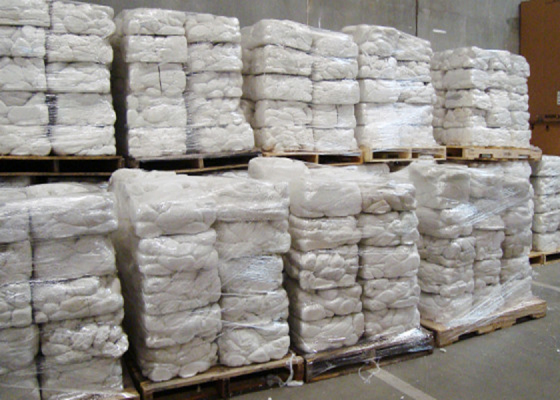
Expanded Polystyrene (EPS) is a white foam plastic material produced from solid beads of polystyrene. It is primarily used for packaging. It is a closed cell, rigid foam material produced from styrene and pentane. Styrene which forms the cellular structure and the pentane which is used as a blowing agent. 98% of EPS is air and it is 100% recyclable, which is designated by plastic resin identification code 6. Due to the features such as low price, light weight, waterproof, low thermal conductivity, and shock absorption, this material is often used in various industries.
.png)
Application in fish trader industry
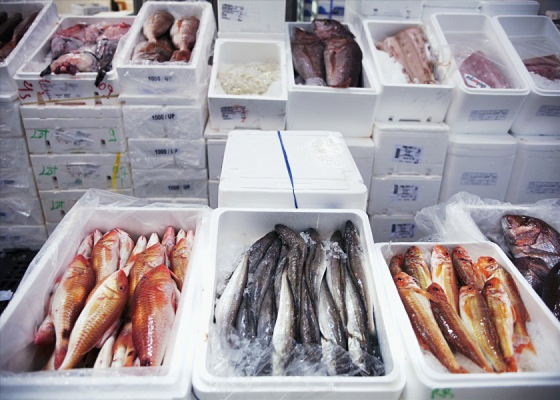
From when fish and seafood are salvaged from the ocean to when they are transported to various markets or processing factories, in this process, fish merchants usually use EPS foam boxes because the EPS foam box is not only light, but also because of its excellent heat preservation function, it can keep the seafood at a constant low temperature to prevent its deterioration. At the same time, the waterproof performance of EPS can also prevent blood in the container from penetrating during transportation, breeding bacteria and emitting unpleasant odors.
Application in furniture and electrical industry
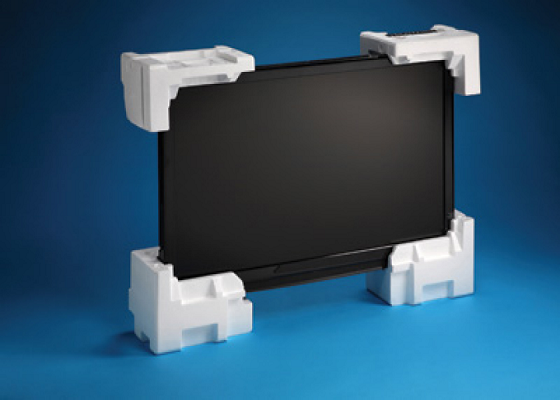
Since furniture and electrical appliances are both fragile and expensive commodities, EPS foam blocks are used in the boxes for packaging furniture and electrical appliances to prevent shocks from causing damage to the goods during transportation. At the same time, this shock-absorbing material is cheap and lightweight, so it is the material of choice during transportation.
Extruded polystyrene foam (XPS foam)
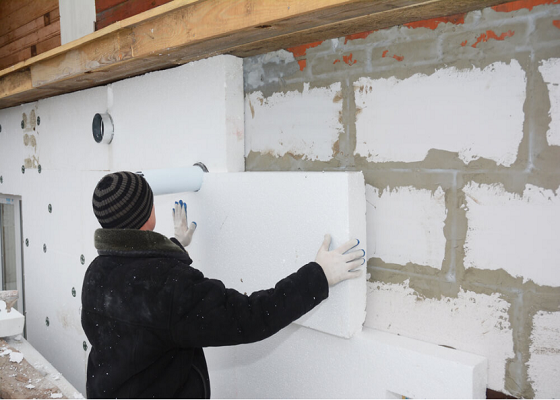
XPS foam is a hard-type extruded polystyrene thermal insulating product made of polystyrene combined with additives using the extrusion method. The excellent performances of thermal insulation, high compression, waterproofing make the board superior to conventional thermal insulating material and suitable for use in new building or retrofit works. The composition of XPS foam and EPS foam is very similar, but XPS foam is more expensive than EPS foam and has better thermal insulation performance. XPS foam is mainly used in construction, and we can also do foam recycling about XPS foam.
Application in achitechive industry
Because of the excellent thermal insulation performance of XPS foam, we often use this material to make the insulation board in the wall of the house. In the process of building a house, we paint the surface of the XPS insulation board with cement and place it in the wall to make residential insulation material. However, because XPS foam is a flammable substance, we will add a certain amount of flame retardant to the XPS insulation board to change the flammable performance of this material for safety reasons to prevent fires, so that XPS foam becomes a very good building insulation material.
Expanded polyethylene (EPE foam)
EPE foam is a very popular material for packaging goods as it is light in weight and flexible. Different from EPS foam and XPS foam, it can absorb shock and provide good cushioning to delicate objects. Because EPE has particularly strong toughness and elasticity, this material will hardly be damaged or broken during use. Therefore, we can not only do the foam recycling of EPE but also reuse this packaging to achieve the purpose of reducing the number of plastic foams. EPE is also a non-toxic, odorless, and antibacterial material, we can use it as food packaging.
.png)
Application in food industry
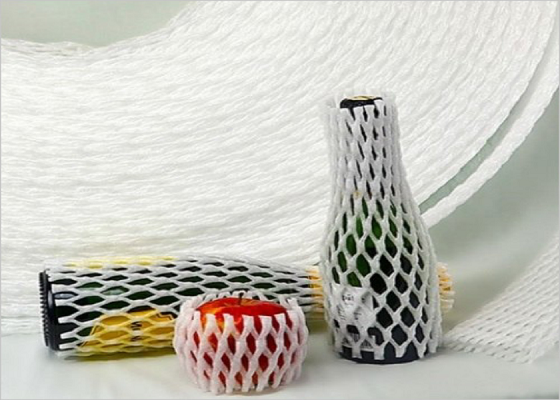
We can notice that in our daily life when we buy fruits, there is a layer of grid-like foam packaging on the outside of the fruit. The material of this grid-like packaging is EPE foam. The high elasticity and toughness of EPE foam can protect the fruit from breaking due to impact, especially the very soft and juicy fruits like strawberries and mango. When celebrating various festivals, we often buy red wine to increase the festive atmosphere. Since red wine bottles are made of glass, they are fragile products. Merchants also use EPE foam for packaging. They will wrap the mesh packaging of EPE foam on the outside of the red wine bottle to reduce the impact of external forces on the glass bottle.
Application in flower industry
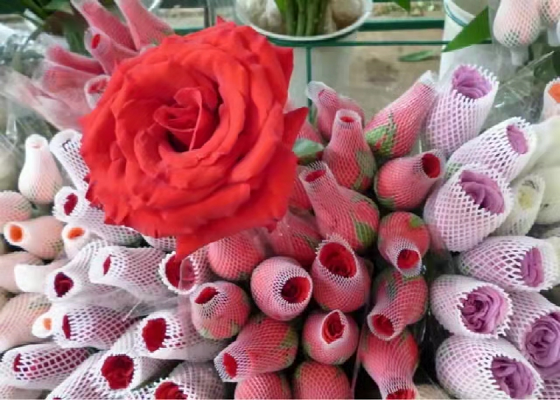
A beautiful life requires the decoration of flowers. The white mesh packaging on the outside of the flowers that are not fully opened when we buy the flowers is also a protective packaging made of EPE foam. The petals of the flower are very delicate, just like the skin of a baby, so the packaging of this material is needed to protect the petals from scratches. Another reason for using an EPE foam protective sleeve is that the binding force of this elastic material can inhibit the opening time of flower buds, to achieve the purpose of prolonging the flowering period.
Expanded Polypropylene foam (EPP foam)
EPP foam is a polypropylene foam consisting of expanded, mainly closed-cell foam particles. The EPP beads are filled with air and therefore particularly environmentally friendly. This material is also completely recyclable. They guarantee a good joint tightness of the molded parts and provide excellent insulation and thermal insulation. This material is the hardest of all the foams we introduced.
.png)
Application in automobile industry
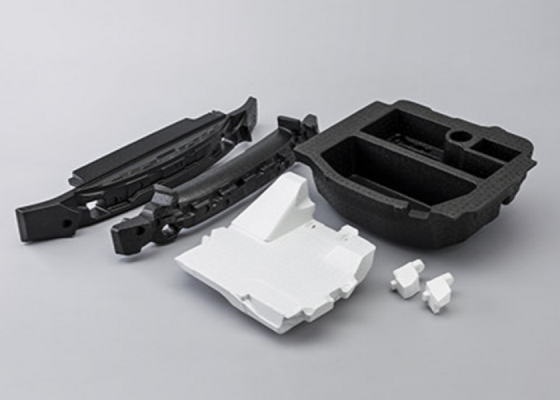
The material's first applications were for automotive products in Japan in 1982. Demand for EPP has since increased dramatically in all regions of the world based partly on the need of automakers to improve energy management functions whilst reducing weight and improving environmental benefits. The first automotive application for EPP was for an energy-absorbing component in a bumper system. Due to the lightweight, high hardness, water and oil resistance, and easy cleaning of EPP foam, it is now widely utilized for numerous other automotive parts and systems, including seating and other interior components.
Foam recycling
After understanding the common types of foam, how should the related industries conduct foam recycling? For these four common types of foam, Rebirth of Foam summarizes some of the greenest and most economical recycling methods, that is the mechanical recycling method. For different types of foam, we have to use different types of recycling machines for foam recycling:
Foam recycling of EPS and XPS
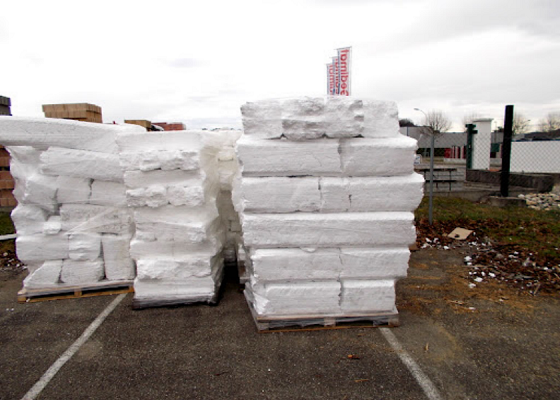
Both of these foams are relatively easy to handle. They are easy to break and have moderate elasticity. According to the research of Rebirth of Foam, related industries such as fish merchants and furniture merchants use foam compactors for recycling. The principle of foam recycling by this machine is to crush the foam into small pieces and then compress them by the screw to produce dense foam blocks.
Foam recycling of EPE and EPP
These two kinds of foams are difficult to handle because EPE foam has greater elasticity and EPP foam has greater hardness. Both of them are more difficult to compress into dense lumps after being broken, so foam compactors are not suitable for recycling these two types of foam. A recycling machine called a foam densifier is more suitable for the recycling of these two types of foam. The foam recycling principle of this recycling machine is to first crush the foam, and then the foam will pass through a hot-melt device. The high temperature will melt the foam into a jelly, then filter it through a screen and extrude it. After cooling, it will form a dense hot melt. If you want to know more about foam recycling by mechanical recycling method, you can refer to a previous article published by Rebirth of Foam.