The
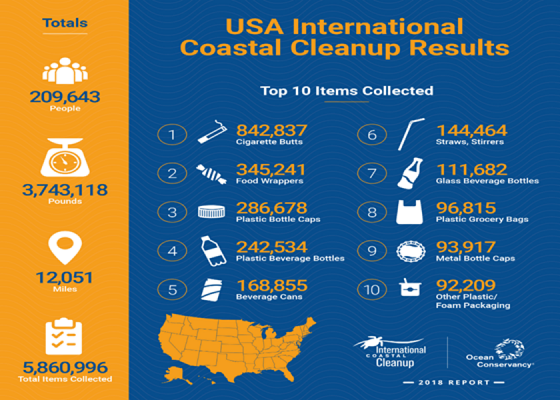
United Nations Environment Programme (UNEP) rallies marine experts, environmentalists, nonprofits, academics and, citizen scientists from countries around the world to confront environmental sustainability. In 2015, it established 17 sustainable Development Goals (SDG) for the planet, 14 calling for conservation and sustainable use of the oceans. After an investigation by the Rebirth of Foam (ROF), plastics account for 90% of all garbage circulating in the world's oceans, plastic waste is destroying marine ecosystems at a rapid pace – from ruining beaches to killing baby turtles to destroying coral on the seafloor. With half the world’s plastic produced in the last 13 years and 8.8 million tons washing into the oceans annually, According to the EPA, only 8% of the total plastic waste generated in 2010 was recovered for recycling. Few places on earth have escaped its reach. Plastic litter fouls the remote, icy coves of Antarctica, the pristine shores of Réunion and Mauritius, and even the unfathomable reaches of the 10,000 meter-deep Mariana Trench.
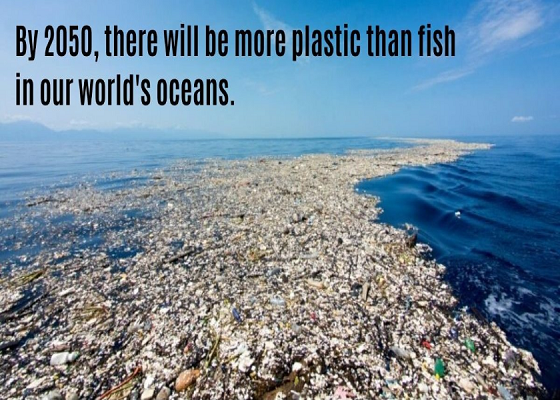
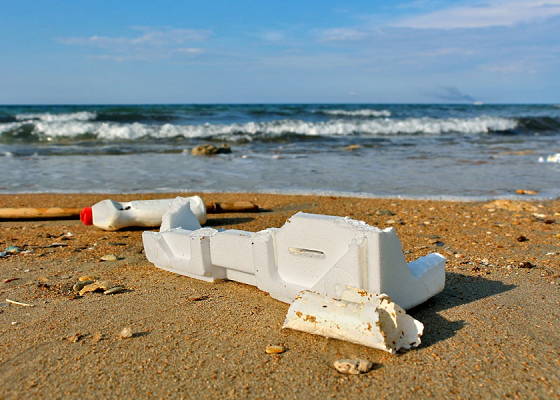
Foam waste is not a minority among the plastic waste. Ocean Legacy, an Australian organization, in an activity to clean up marine debris, collected more than 50% of the marine debris on the west coast of North and Central America is foam. It can be seen that foam pollution is one of the important causes of marine pollution.
Why waste foam ends up in the ocean?
First of all, let's talk about the foam that has never been properly disposed of. That is to say, for this part of the foam, we have not made any measures about foam recycling. Waste foam dropped on the street doesn't stay there. Rainwater and wind carry the foam into streams and rivers and through drains. Drains lead to the ocean! Careless and improper waste disposal is also a big contributor – illegal dumping of waste adds greatly to the foam surge in our seas.
Secondly, let's talk about another part of waste foam, that is, we have carried out foam recycling on this part of the waste, but for various reasons, related industries or departments have used inappropriate foam recycling methods, such as the landfill. Because the foam buried in the ground will not degrade for a hundred years, with the changes of nature, From rainstorm erosion to crustal movement. These will cause the waste foam to enter the ocean.
Which kind of waste foam are most in the ocean?
The most common type of foam in the ocean is polystyrene. 80% of it is polystyrene.
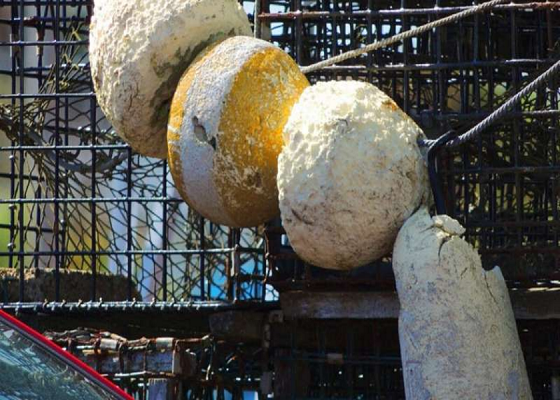
The polystyrene foam garbage found in the ocean includes disposable lunch boxes, foam fish boxes, foam buoys, foam surfboards, etc. Rebirth of Foam (ROF) think we should take immediate steps to do the foam recycling.
How to do the foam recycling?
At present, the use of the machine for
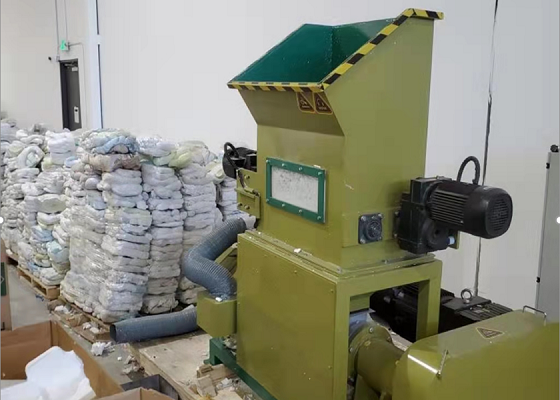
foam recycling is the mainstream recycling method in the market. This foam recycling method is also accepted by the public. Now there are many machinery companies selling foam recycling machines. You can refer to the
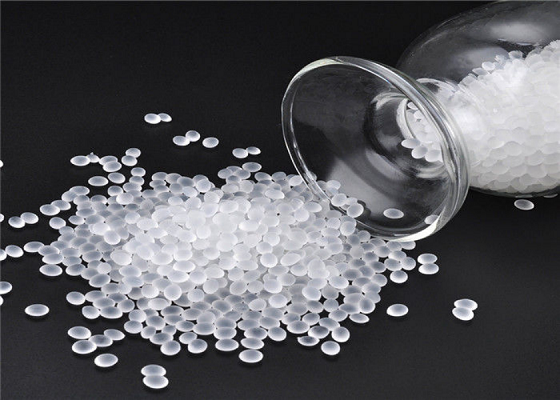
previous article of about recycling machines. In short, the principle of this recycling machine is to reduce the volume of foam and then remanufacture it. During the investigation, Rebirth of Foam (ROF) found that there is a company that not only provides recycling equipment but also recycles compressed foam to make plastic pellets and then produces other plastic products to ensure that foam recycling is carried out to the end. This cycle mode is very novel and worthy of advocacy!
They are already in action!
Foam recycling of buoys
In Chile, there is a company called Full Pack that has been doing the foam recycling of buoys on the seaside for 5 years, helping local governments and environmentalists to reduce marine garbage pollution. Full Pack is a large-scale comprehensive recycling company in Chile, which mainly recycles various waste plastics, waste paper, and various electronic products. Since the establishment of the company, Full Pack has recycled a large number of waste plastics, contributing to the local environmental protection and sustainable economy. With the help of the foam recycling machine, Full Pack has recycled more than 1,000 tons of foam buoys for 5 years and solved the problem of white foam pollution on the Chilean coast.
Foam recycling of fish boxes
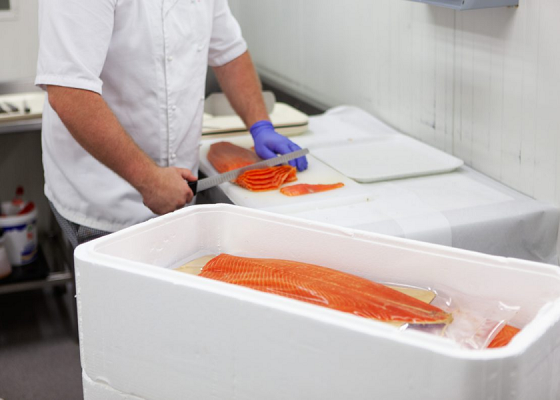
Established in 2004, Muijs Seafood is a fast-growing and vibrant fish wholesaler located in the Bunschoten-Spakenburg fishing port in the Netherlands. Muijs Seafood has a wide range of fish products. In order to ensure that it can provide customers with the freshest products, Muijs Seafood buys fresh fish directly from the source farms every day. Due to its strong freshness, high protection strength, and low transportation cost, foam fish boxes have become the best packaging for transporting fish products. Therefore, a large number of waste foam seafood boxes are produced every day. According to EU food industry regulations, these used foam seafood boxes cannot be reused again. Therefore, how to deal with these waste fish boxes has become the most troublesome problem for Muijs Seafood. In 2013, Muijs Seafood purchased a foam recycling machine. For the next 8 years, Muijs Seafood has insisted on using the foam recycling machine to dispose of their waste fish boxes and has also spared no effort to introduce them to other companies that have the same troubles.
But just relying on a few companies for foam recycling is far from enough. All relevant companies, relevant departments, and even the government should all take action to solve the serious problem of marine debris. If you have any questions about foam recycling, please feel free to contact Rebirth of Foam. (ROF).

 Call:+1 909 509 4388
 24/7 Emergency Service
 info@intcorecycling.com